Conductive Heat Transfer and the Insole Barrier
Air is an exceptional insulator, but compressed snow and solid granite ice act as thermal sinks. In sub-zero Sweden, the thickest leather upper cannot keep feet warm if the sole unit lacks sufficient stack height and insulating foam or felt.
Swedish footwear standards require at least 15 to 25 mm of composite midsole decoupling. This includes high-density EVA, honeycomb polyurethane, or traditional compressed wool felt footbeds under the insole. An aluminum foil radiative scrim is often placed between the outer rubber chassis and inner footbed to reflect radiating body warmth back toward the arch and toes.
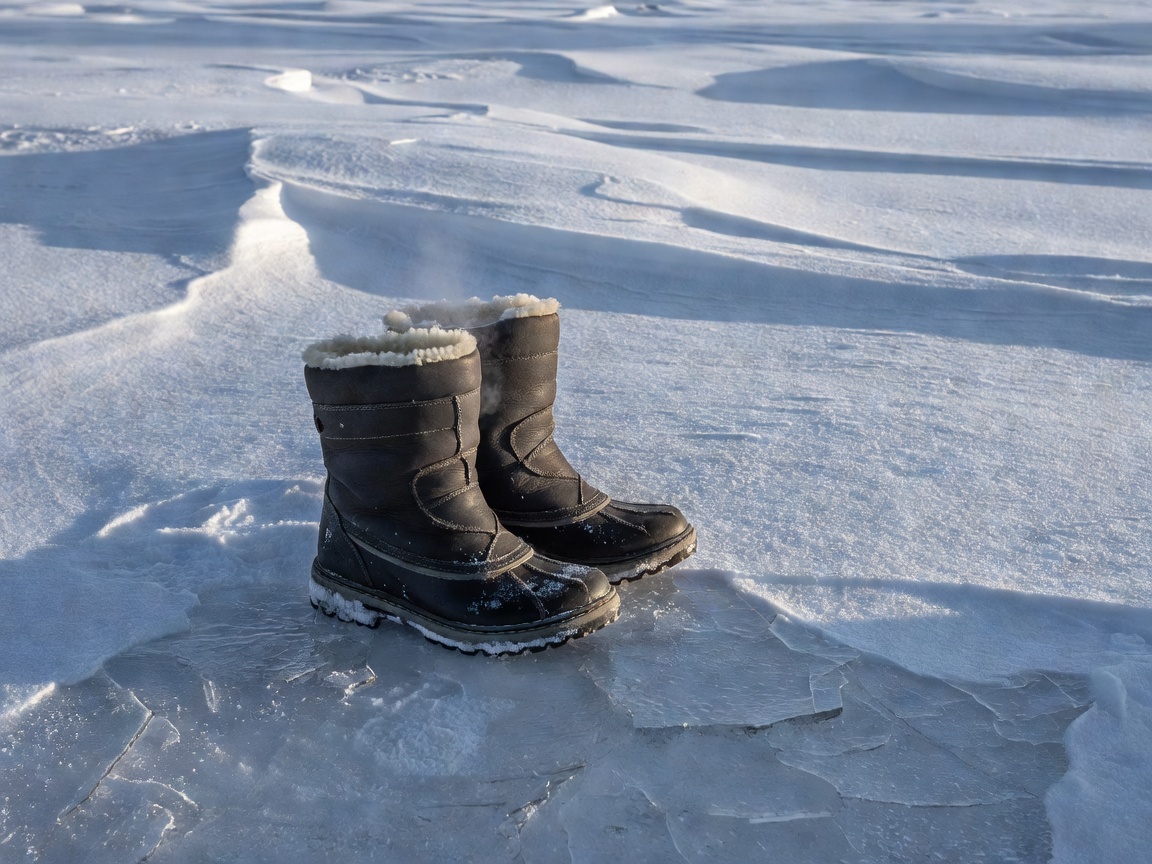
The Classic Shell-Boot Principle (Skalkänga)
Unlike modern padded alpine ski boots with glued-in synthetic linings, traditional Swedish winter footwear relies on the skalkänga (shell boot) philosophy pioneered by brands like Lundhags.
A shell boot features no permanent interior foam padding. Instead, it consists of a pure cellular rubber bottom joined via multi-stitch welt to a heavy full-grain leather shaft. The wearer generates customized thermal insulation using two or three pairs of dense wool socks and a removable felt liner.
Shell Boot Advantages
- Cannot absorb moisture into interior foam
- Dries out completely in hours next to a cabin woodstove
- Adaptable from mild autumn (+5°C) to extreme winter (-30°C) by changing sock thickness
- Resolable and repairable for decades of heavy use
Padded Winter Boot Limitations
- Glued interior foam traps sweat and remains damp for days in the field
- Damp liners freeze solid overnight inside tents
- Bulkier silhouette and heavier overall carry weight
- Permanent lining cannot be washed easily
Outsole Geometries: Battling Swedish Ice and Slush
Urban winters in Sweden present a treacherous mixture known locally as slask (half-frozen salted slush over black ice). Deep lug rubber compounds that stay pliable at freezing temperatures are essential:
| Outsole System | Grip Mechanism | Ideal Terrain | Indoors Usability |
|---|---|---|---|
| Vibram® Arctic Grip | Polymer lugs infused with microscopic glass fibers | Wet black ice, slick granite steps, packed snow | Safe; does not scratch tile or wood flooring |
| Dynamic Carbide Studs (e.g. Icebug) | 16–19 independent carbide tip studs that depress under load | Pure frozen lake ice, glazed forest trails | Noisy and hazardous on smooth stone or supermarket linoleum |
| Deep Lug Soft Rubber (e.g. Certech) | Self-clearing 6mm multidirectional cleats | Deep unplowed powder, slush, boggy tundra | Excellent; gentle on indoor surfaces |
Sizing Rules: The Two-Finger Scandinavian Standard
The most widespread mistake made by visitors to Sweden is purchasing winter boots in their standard summer shoe size. Tight footwear restricts vascular blood flow to the toes, initiating rapid numbness and frostbite even in moderate -5°C conditions.
When trying on winter boots, wear your intended thick wool sock combination. Stand up, slide your toes fully forward until they touch the front toe cap, and ensure you can insert a full thumb or two fingers behind your heel. This 12 to 15 mm expansion allowance preserves an insulated air envelope and permits natural toe splay while walking across uneven drifts.
Final Protective Layer
Do not let exposed ears or fingers compromise your core thermal reserves. Review our guide to Scandinavian extremities defense: