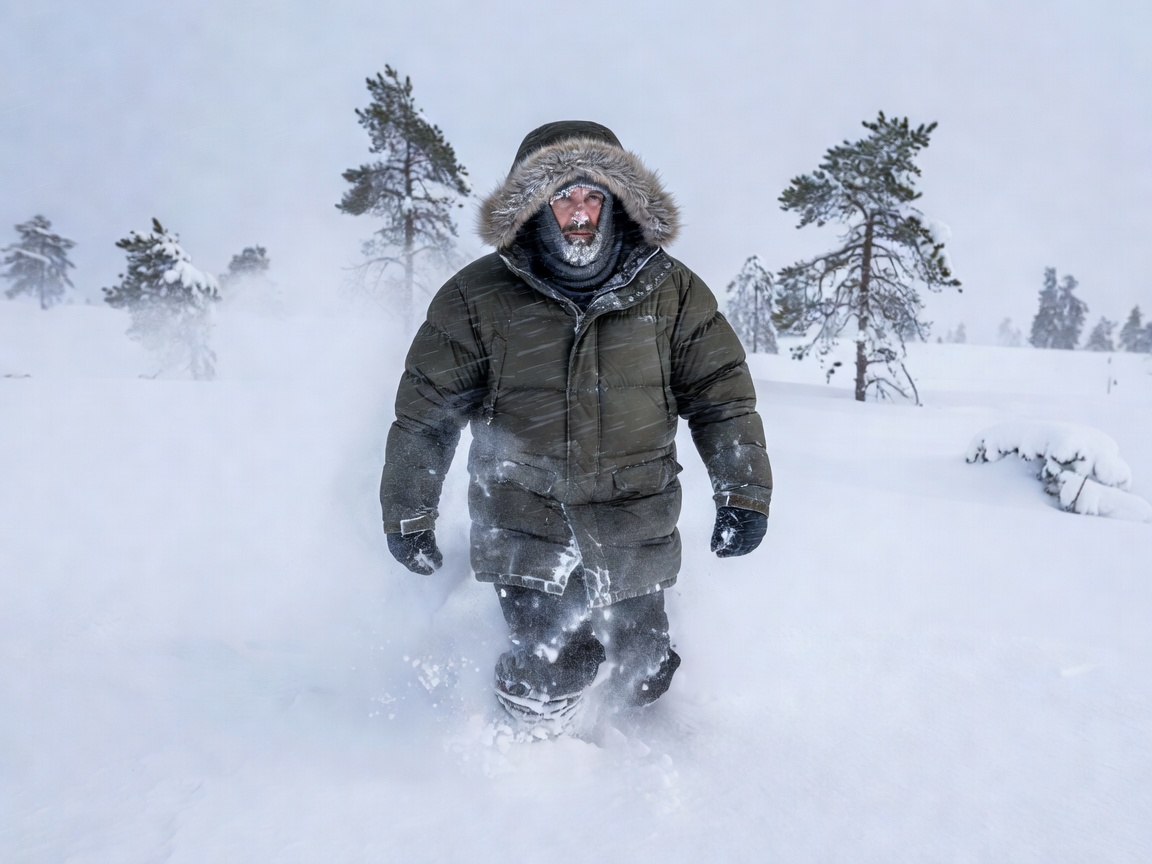
Insulated Parkas & Arctic Down Jackets
Heavyweight down fills, storm baffles, and DWR shells designed to withstand blizzard gales and sub-zero Arctic vortexes across Norrland.
From the arctic gales of Kiruna to Stockholm’s damp coastal frosts, enduring a Scandinavian winter requires systematic fabric engineering, natural wool fibers, and heavy-duty outer membranes.
Every category below represents an indispensable line of defense against sub-zero conditions, windchill factors, and slush saturation.
Heavyweight down fills, storm baffles, and DWR shells designed to withstand blizzard gales and sub-zero Arctic vortexes across Norrland.
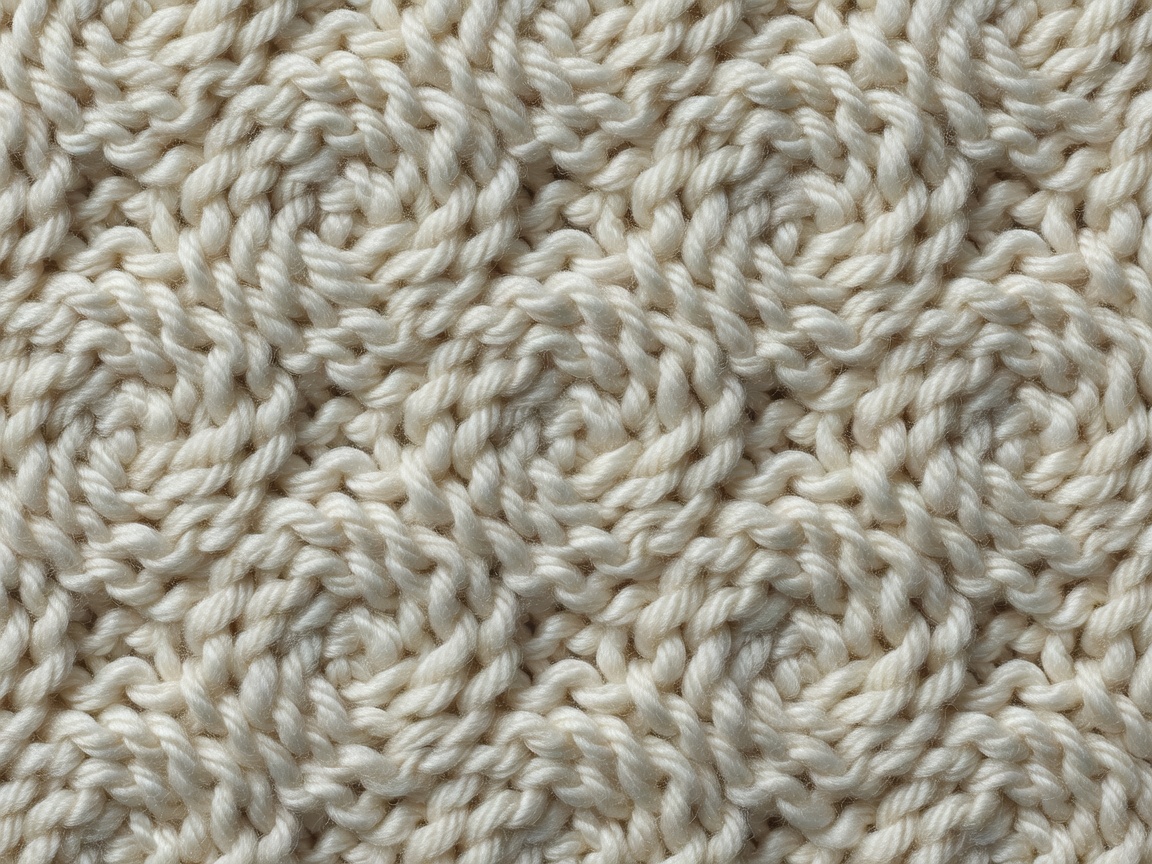
The Scandinavian foundation: pure merino wool and brushed terry knits that regulate moisture and maintain core insulation even when damp.
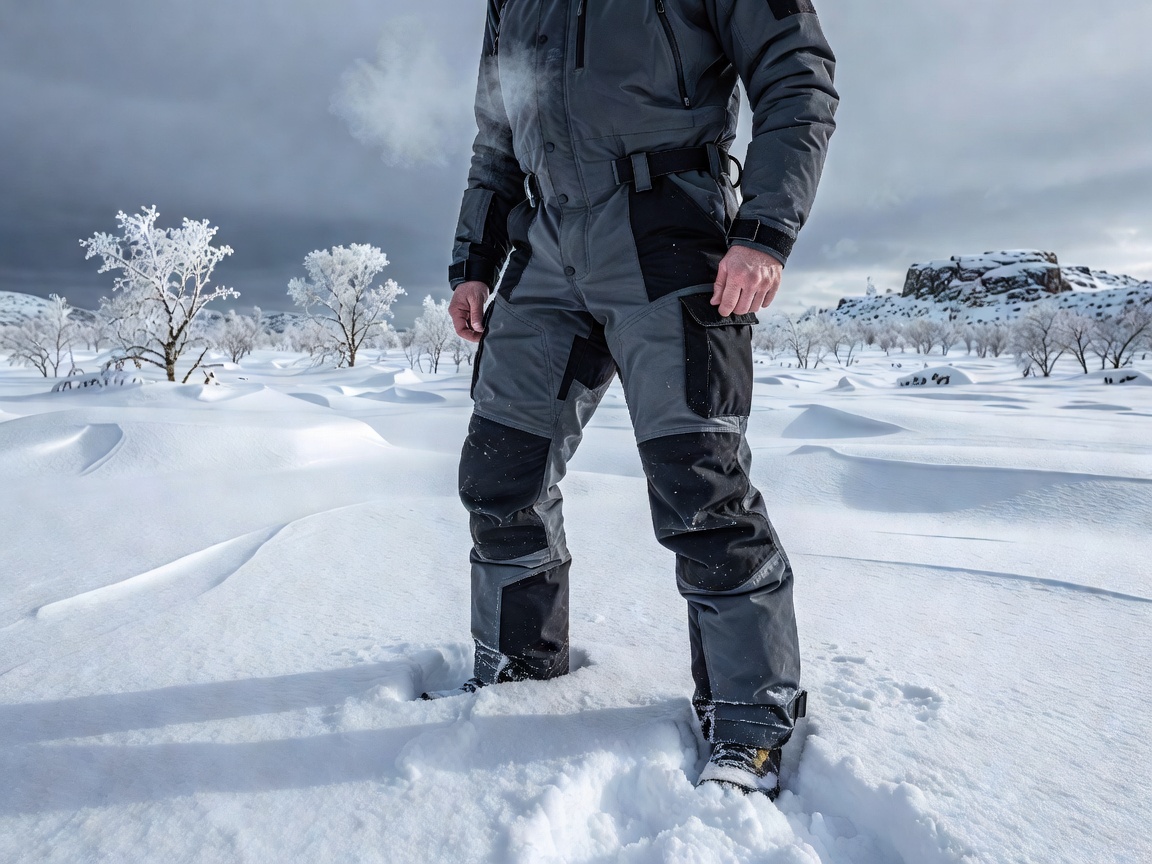
Reinforced knees, stormproof seat panels, and brushed fleece linings engineered for Nordic snowmobiling, ice fishing, and city commuting.
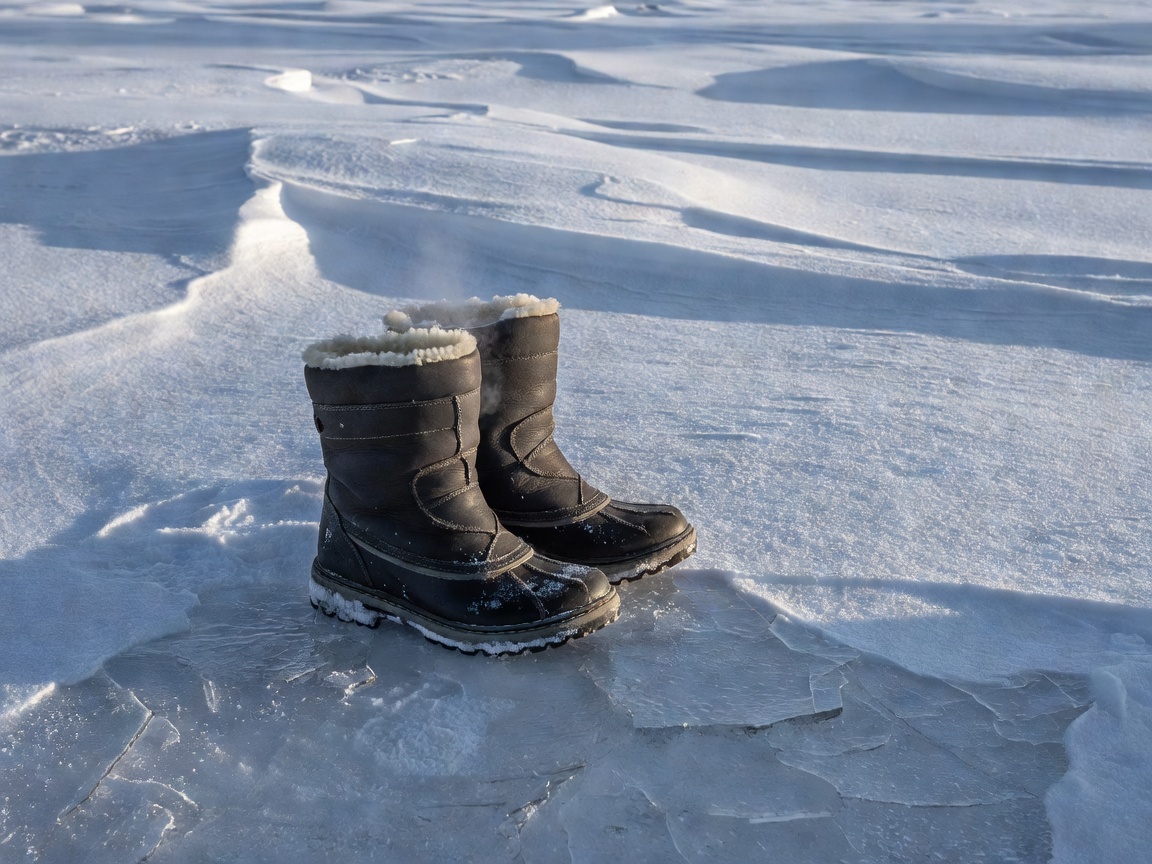
Deep lug treads, vulcanized rubber galoshes, removable felt booties, and insulation ratings suited for frozen terrain and urban slush.
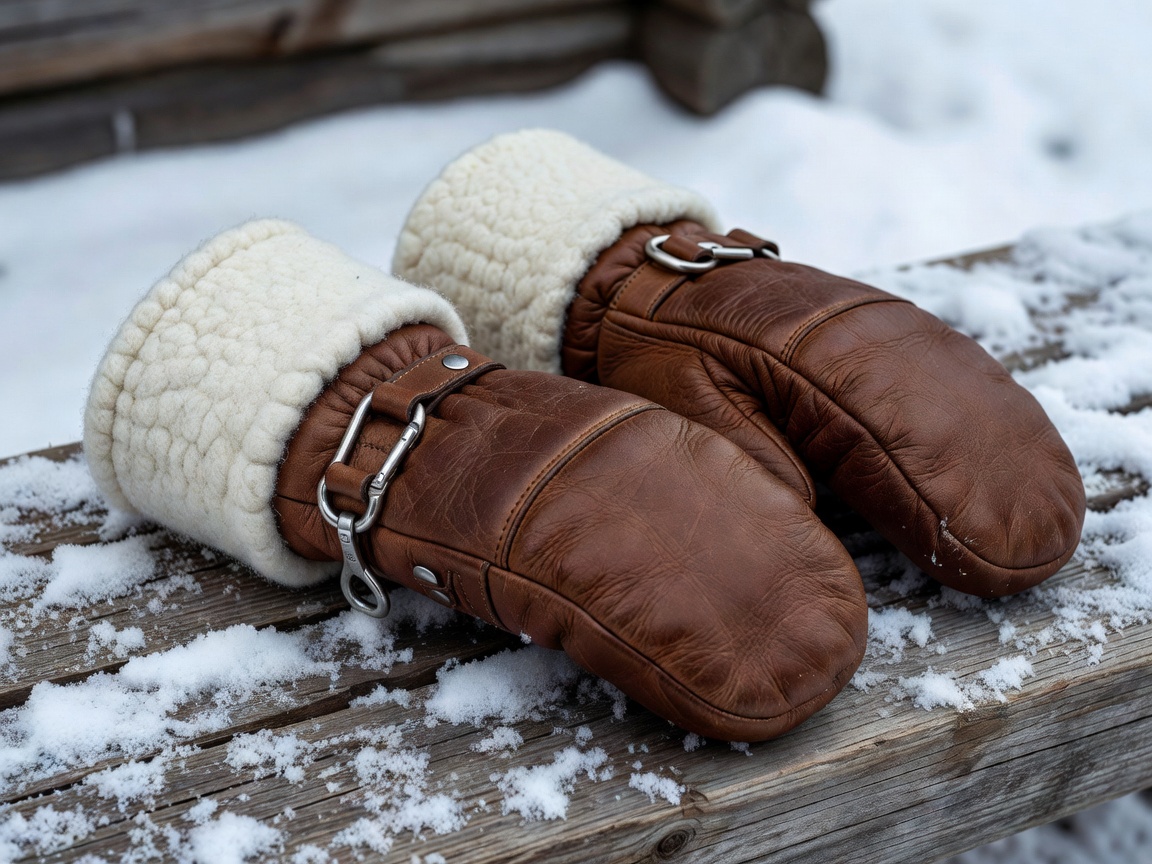
Preventing peripheral frostbite through deerskin shells, shearling lining, wind-stopping wool beanies, and storm-neck gaiters.
Swedes avoid sweating at all costs. Perspiration freezes swiftly in arctic air, precipitating rapid hypothermia. The traditional lager på lager system prevents overheating during activity and retains warmth during rest.
Merino wool fibers draw vapor directly away from skin surfaces. Synthetic blends may be used for high-output pursuits, but pure wool prevents odor buildup and sustains heat when saturated.
Thick wool terry loop sweaters, heavy fleece, or lightweight packable down vests create pockets of still, warm air around vital thoracic organs.
Tightly woven poly-cotton canvas treated with paraffin wax or technical PTFE membranes shield the wearer from blizzard gales, freezing rain, and abrasive pine needles.
Sweden occupies latitudes between 55°N and 69°N. Temperatures range from moderate, moisture-saturated winds along the southern coasts of Skåne to dry, biting -40°C Arctic inversions in Jokkmokk and Abisko. Single, overly bulky garments frequently fail in these conditions because they lack modular flexibility.
Selecting outerwear in Sweden is therefore a technical craft rather than a fashion compromise. Down clusters require water-resistant treatments to survive wet coastal snow; leather boots necessitate anatomical felt insoles to decouple feet from conductive frozen granite; and storm hoods must feature moldable wire brims to retain a warm micro-pocket in sub-zero headwinds.